
Key Takeaways
- Start planning your move as early as possible to avoid stress and rushed decisions.
- Declutter your home before packing to save time, effort, and moving costs.
- Create a realistic budget that includes all expenses and a buffer for unexpected costs.
- Compare different moving options to find the best balance between cost and convenience.
- Pack in an organized way and label boxes clearly to make unpacking easier.
- Set up utilities and update your address ahead of time to ensure a smooth transition.
- Keep important documents and financial records secure and easy to access during the move.
Moving to a new home is exciting, but it can also feel overwhelming. There are many things to plan, from packing your belongings to managing your budget. Without a clear plan, it’s easy to feel stressed or forget important details.
The good news is that you can make your move smoother with the right preparation. By organizing your home and finances early, you can avoid last-minute problems and save money along the way. This guide will walk you through everything you need to know, step by step.
Start Planning Early
One of the biggest mistakes people make is waiting too long to prepare for a move. As soon as you know you’ll be relocating, start making a plan.
Create a simple timeline that includes key dates such as:
- When to start packing
- When to book movers or rent a truck
- When to transfer utilities
- Your official moving day
Planning early gives you time to compare options and find better deals. It also helps you avoid rushed decisions that could cost more money.
Break your tasks into small steps. For example, you can pack one room per week instead of doing everything at once. This makes the process easier and less stressful.
Declutter Before You Pack
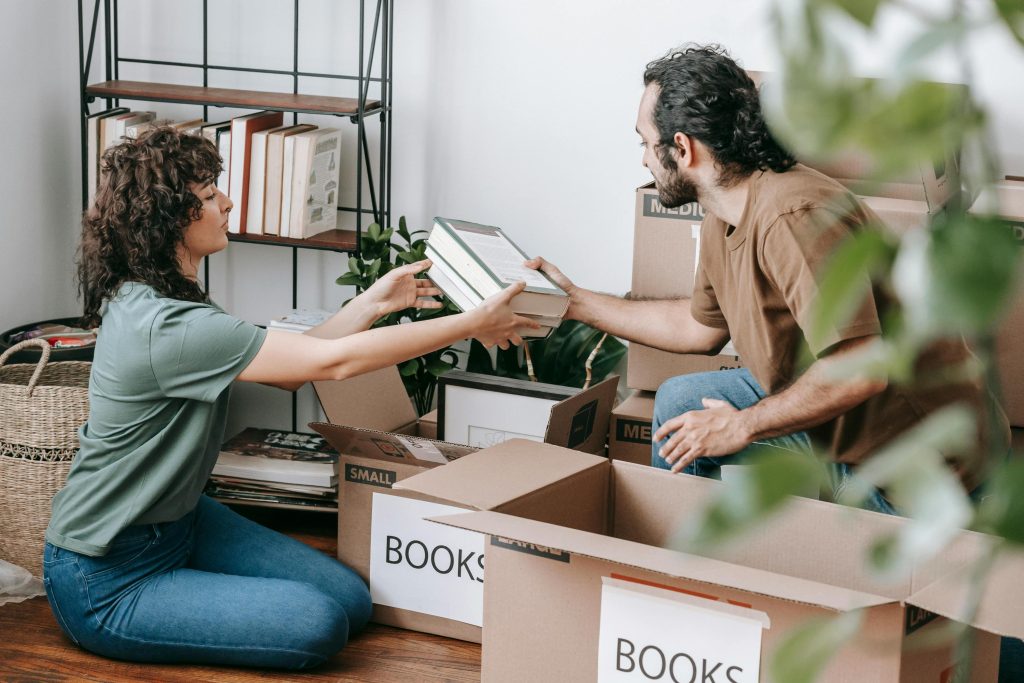
Moving is the perfect time to get rid of items you no longer need. Packing things you don’t use only adds time, effort, and cost to your move.
Go through each room and sort your belongings into four categories:
- Keep
- Donate
- Sell
- Throw away
Be honest with yourself. If you haven’t used something in a year, you probably don’t need it.
Decluttering has several benefits:
- You’ll have fewer items to pack
- Moving costs may be lower
- Your new home will feel more organized
You can even make extra money by selling items online or hosting a garage sale.
Create a Realistic Moving Budget
Moving can be expensive, especially if you don’t plan your finances carefully. Start by listing all possible costs so you know what to expect.
Common moving expenses include:
- Moving company or truck rental
- Packing supplies
- Cleaning services
- Utility deposits
- Travel costs (gas, flights, hotels)
- Temporary storage
It’s also smart to set aside extra money for unexpected expenses. A good rule is to add at least 10–20% to your total budget as a buffer.
Track your spending as you go. This helps you stay within your budget and avoid surprises.
Compare Moving Options
There are several ways to move, and each option has its own pros and cons.
Hiring Professional Movers
This is the easiest option, but it can be more expensive. Movers handle packing, loading, and transportation, saving you time and effort.
Renting a Moving Truck
This option is more affordable but requires more work. You’ll need to pack, load, and drive the truck yourself.
Portable Storage Containers
These containers are delivered to your home. You load them at your own pace, and the company transports them to your new location.
Take time to compare prices and services. Read reviews and ask for quotes from multiple companies before making a decision.
Gather Packing Supplies
Having the right supplies makes packing much easier. Start collecting materials early so you’re not scrambling at the last minute.
Essential packing supplies include:
- Boxes in different sizes
- Packing tape
- Bubble wrap or packing paper
- Markers for labeling
- Furniture covers
You can save money by getting free boxes from local stores or asking friends and family.
Label every box clearly with its contents and destination room. This will make unpacking much faster and more organized.
Pack Smart and Stay Organized
Packing is one of the most time-consuming parts of moving, but a smart approach can save you a lot of stress.
Start with items you don’t use often, such as seasonal clothing or decorations. Leave everyday essentials for last.
Here are some helpful packing tips:
- Use small boxes for heavy items like books
- Wrap fragile items carefully
- Keep similar items together
- Avoid overpacking boxes
Create an “essentials box” with items you’ll need right away, such as:
- Toiletries
- Chargers
- Medications
- Important documents
- A change of clothes
This way, you won’t have to search through boxes on your first night in your new home.
Handle Important Documents and Records
Keep all your important documents in one secure place during your move. This includes:
- IDs and passports
- Lease or mortgage papers
- Medical records
- Insurance documents
Carry these items with you instead of packing them in the moving truck. This reduces the risk of losing them.
You should also update your address with:
- Banks
- Government agencies
- Subscription services
- Employers
Doing this ahead of time ensures you won’t miss important mail.
Prepare Your Current Home for Moving Day
Before you leave your current home, take time to prepare it properly.
Start by cleaning each room thoroughly. This is especially important if you’re renting, as it can help you get your security deposit back.
Check for any repairs that need to be done, such as:
- Filling nail holes
- Fixing leaks
- Replacing light bulbs
Take photos of the home after cleaning. This can serve as proof of its condition if any issues come up later.
Set Up Utilities and Services in Advance
Make sure your new home is ready before you arrive. Contact utility providers ahead of time to schedule service activation.
Utilities to set up include:
- Electricity
- Water
- Gas
- Internet and cable
Try to have these services ready at least one day before your move-in date. This ensures a smooth transition and avoids inconvenience.
At the same time, don’t forget to cancel or transfer services from your old home.
Plan for Moving Day Logistics
Moving day can be hectic, so having a clear plan is important.
Decide in advance:
- What time the move will start
- Who will be helping you
- Where the moving truck will park
If you have children or pets, consider arranging care for them during the move. This allows you to focus on the process without distractions.
Keep snacks, water, and basic supplies on hand. Moving can take longer than expected, so it’s good to be prepared.
Protect Your Finances During the Move
Moving involves a lot of financial activity, so it’s important to stay organized.
Use a dedicated folder or app to track:
- Receipts
- Contracts
- Payment confirmations
If you’re hiring movers, make sure you understand the payment terms. Be cautious of companies that ask for large deposits upfront.
Also, check your insurance coverage. Some moving companies offer basic coverage, but it may not be enough for valuable items. You may want to consider additional protection.
Use a Checklist to Stay on Track
A checklist is one of the most effective tools for a successful move. It helps you stay organized and ensures nothing gets overlooked.
Consider using a detailed home buying and moving checklist to guide you through each stage of the process. This can include everything from budgeting and packing to setting up utilities and updating your address.
Checking off tasks as you complete them gives you a sense of progress and keeps you motivated.
Prepare Your New Home Before Arrival
If possible, visit your new home before moving day to get it ready.
Take care of tasks such as:
- Cleaning the space
- Changing locks
- Checking appliances
- Measuring rooms for furniture
This makes it easier to settle in once your belongings arrive.
You can also plan where your furniture will go. Having a layout in mind helps movers place items in the right rooms, saving you time later.
Unpack with a Plan
Unpacking can feel just as overwhelming as packing, but a structured approach makes it easier.
Start with essential areas:
- Kitchen
- Bathroom
- Bedroom
Focus on one room at a time instead of trying to do everything at once.
Break down boxes as you go to keep your space clean and organized. Take your time—there’s no need to rush.
Build an Emergency Fund for the Move

Even with careful planning, unexpected expenses can happen. That’s why it’s important to have an emergency fund.
This can help cover:
- Last-minute repairs
- Extra moving costs
- Delays or changes in plans
Having a financial cushion gives you peace of mind and reduces stress during the move.
Avoid Common Moving Mistakes
Being aware of common mistakes can help you avoid them.
Some of the most frequent issues include:
- Underestimating costs
- Waiting too long to pack
- Not labeling boxes
- Forgetting to update your address
- Hiring unreliable movers
Take your time to plan and double-check your arrangements. A little extra effort upfront can save you a lot of trouble later.
Final Thoughts
Preparing your home and finances for a big move doesn’t have to be overwhelming. With the right plan, you can stay organized, save money, and reduce stress.
Start early, declutter your belongings, and create a realistic budget. Choose the best moving option for your needs and gather the right supplies. Stay on top of important documents, set up utilities in advance, and use a checklist to keep everything on track.
Moving is more than just changing locations—it’s a fresh start. By preparing carefully, you can make the transition smoother and focus on enjoying your new home.
With the right mindset and preparation, your move can be a positive and rewarding experience.